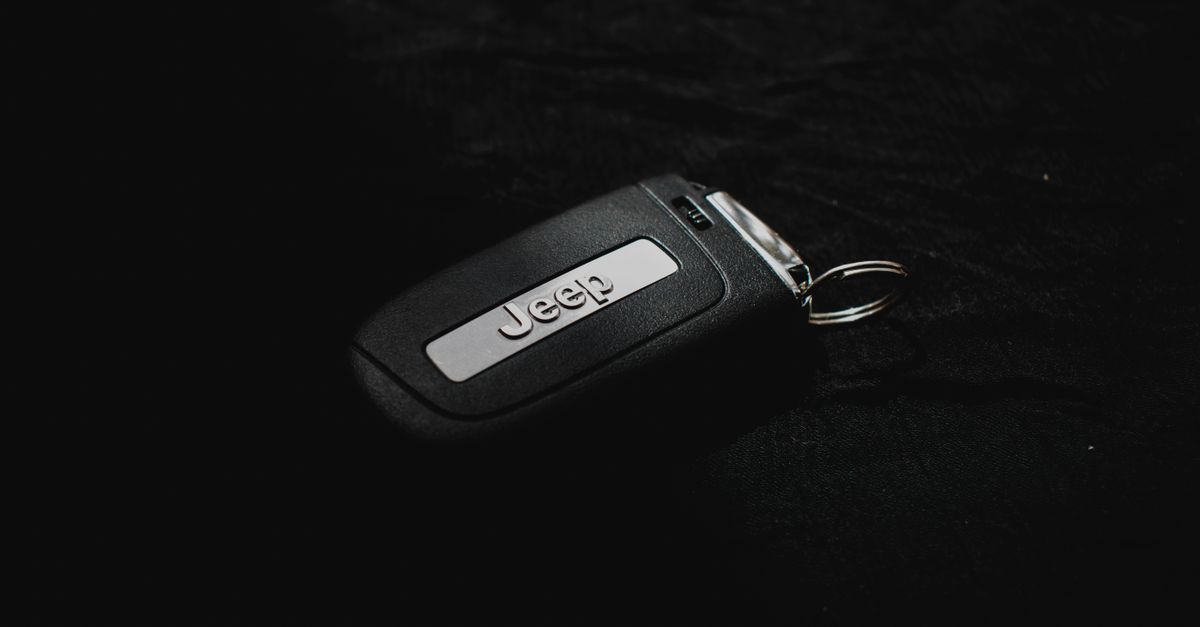
Ford Car Key Replacement: Understanding What Your Key Actually Is
Not every Ford key is created equal, and knowing the difference matters when you need a replacement made quickly. Older Ford trucks and sedans used a basic mechanical key — a simple cut blade with no electronics. Starting in the mid-1990s, Ford began embedding transponder chips inside the key head. These chips communicate with the vehicle's immobilizer system; if the chip isn't present or isn't programmed correctly, the engine won't start even if the key turns the ignition. Many Ford Escape, Explorer, and Expedition owners are surprised to discover their key has a chip when they try to copy it at a hardware kiosk and find the copied key won't start the car. Beyond transponders, Ford has used several generations of remote head keys, proximity smart keys (the type that allows push-button start without inserting anything), and flip-style fob keys. Each type requires a different process — cutting, programming, or both — and our technicians are trained to identify exactly what your specific Ford model and year requires.
Ford Transit vans, a popular choice for tradespeople and delivery drivers throughout Campbell County, present their own wrinkle: they can carry multiple key types depending on the trim and build year, and fleet operators sometimes need multiple copies made. Likewise, drivers who have had a Ford Ranger locked keys in car situation often discover that getting a replacement involves more than a quick cut — the transponder has to be initialized to that specific vehicle's immobilizer. We handle all of this on-site, typically in the same visit, so there's no need to leave your vehicle unattended waiting for parts to arrive.