What Is a Mortise Lock and Why Does It Fail?
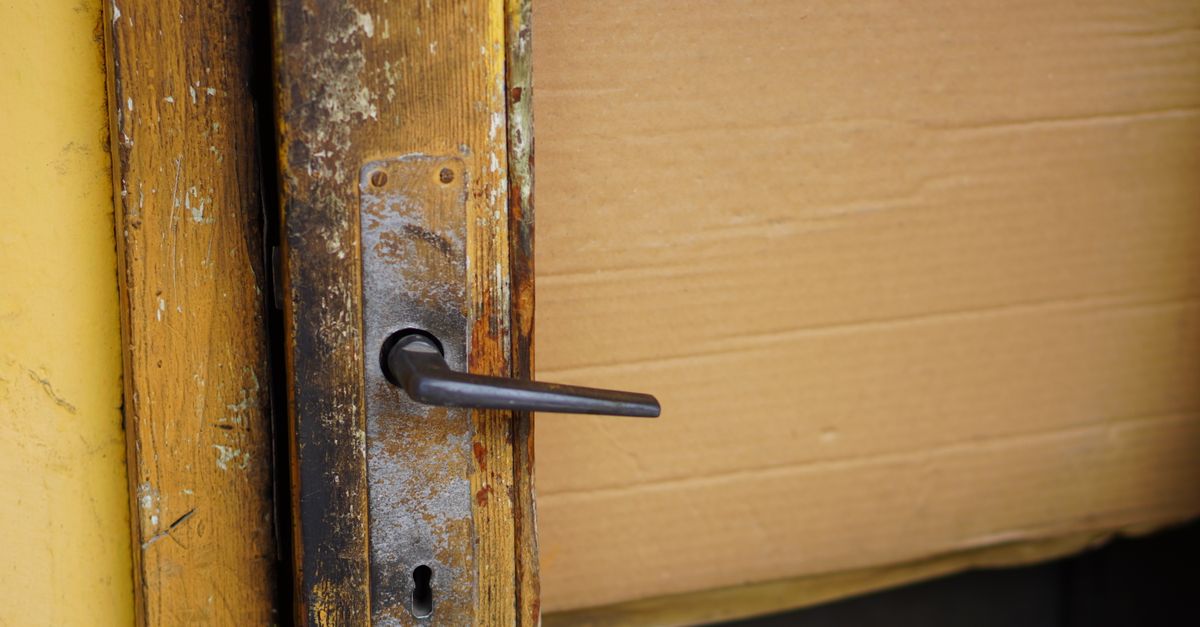
A mortise lock is a lock mechanism housed inside a precisely routed pocket — the mortise — cut into the body of the door itself. Unlike a standard cylindrical lock that sits in a simple bored hole, a mortise lock set contains multiple working parts in a single metal case: a latch bolt, a deadbolt, a spindle hub, internal springs, and sometimes an auxiliary bolt. That complexity is exactly why mortise locks are favored on exterior doors in commercial buildings, historic homes, and higher-security residential applications — but it is also why they develop more failure points than a simpler knob lock over time.
The most common issues our technicians diagnose include worn cam profiles that cause the latch to stick mid-throw, broken or fatigued internal springs that prevent the bolt from retracting, misalignment between the lock body and the strike plate (often caused by seasonal wood swelling or door settling on older Highland Heights properties), a seized or cracked mortise lock cylinder from repeated forced key insertion, and corrosion in the case that builds up in exterior-facing locks exposed to Kentucky's humid summers and icy winters. Identifying the exact failure point before touching anything is the first step our technicians take — it is what separates a precise repair from a parts-swapping guessing game.