A1 Newport Locksmith Service Team
Local locksmith team
Sep 4, 2026 13 min read
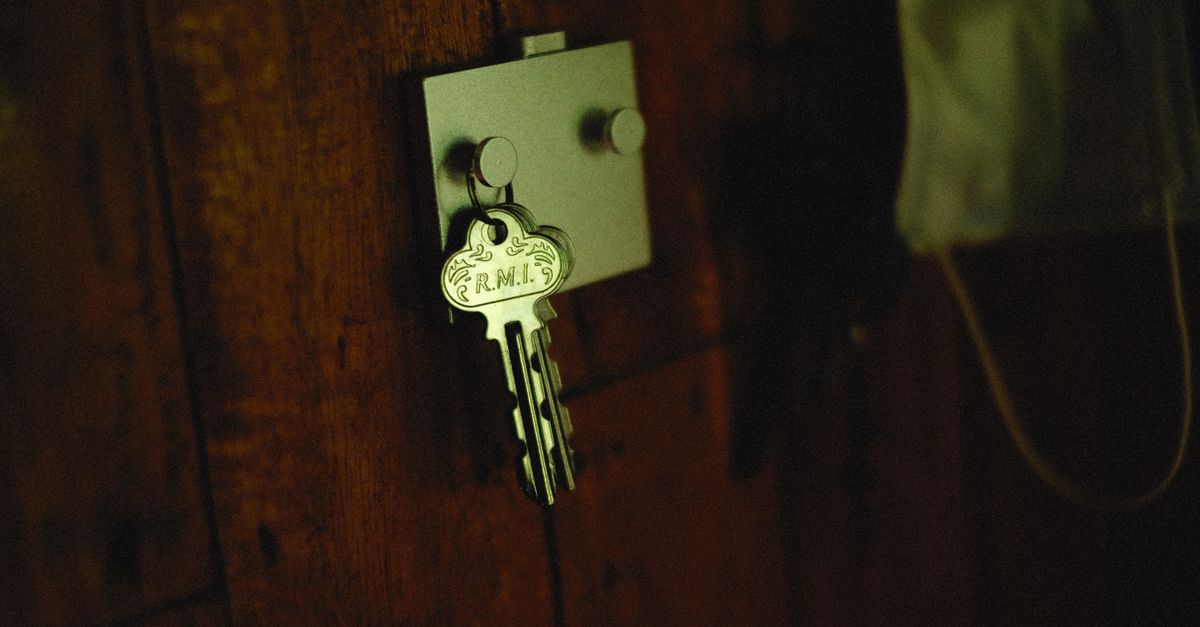
You've searched every drawer, coat pocket, and key hook in the house — the original key is simply gone. Maybe it was the only copy ever cut, maybe it was lost during a move, or maybe you just inherited a property with a stubborn old mortise lock and zero documentation. Whatever the story, you're now staring at a perfectly functional lock with no way to open it. The good news? A trained locksmith doesn't need your original key to make you a new one. Two proven techniques — decoding and impressioning — let a skilled professional read the lock itself and produce a working key from scratch.
This article walks Highland Heights homeowners and drivers through exactly how that process works, why it's more than just 'picking the lock,' and how to know when calling an experienced mobile locksmith is the smartest move you can make. We'll also cover related questions about rekeying, changing locks, and what separates a quick key copy from a full lock service — so you leave with a genuinely clear picture of your options.
## Can a Locksmith Make a New Key From a Lock? The Short Answer Is Yes — Here's the Proof
The question 'can a locksmith make a new key from a lock?' comes up constantly, and the answer is a confident yes — provided the lock itself is intact and a trained professional is doing the work. The two primary methods are decoding and impressioning, and they are as different from simply guessing as a medical X-ray is from poking around in the dark. Decoding means the locksmith uses specialized tools to read the internal components of the lock — the heights and spacing of the pins or wafers inside — and then translates those measurements directly into the correct key cuts. No original key needed, no guesswork. Impressioning is a second technique where a blank key is inserted into the lock and manipulated under slight tension; the binding points of the internal pins leave small marks on the blank, and the locksmith files those marks down incrementally until the key turns cleanly. Both methods require genuine skill, the right equipment, and a solid understanding of lock mechanics — they are not tricks anyone can learn from a five-minute video.
For common residential pin-tumbler locks — the kind found on most door knob locks with a key cylinder — decoding is typically fast and precise. For older or heavier hardware like a mortise lock, the process may involve additional steps because mortise lock cylinders often have more complex keyways and deeper pin stacks. A mortise lock is the rectangular, multi-component lock body you commonly see recessed into the edge of a door, popular in older homes, apartment buildings, and commercial properties throughout the Greater Cincinnati area and Northern Kentucky. If your Highland Heights home has one of these on a period front door, a professional locksmith with mortise lock experience is exactly who you want — not a general hardware-store key-cutting kiosk.
## What Happens During a No-Key Lock Service: Decoding, Impressioning, and More
When a locksmith arrives on-site with no original key to work from, the first step is always verification of ownership or lawful access — a step that protects you as much as it protects everyone else. You may be asked for a government-issued ID, a lease agreement, a utility bill, or a property deed. This is standard, professional practice and should actually give you confidence in any locksmith who asks for it. Once that's confirmed, the technician inspects the lock to determine its make, keyway profile, and condition before deciding which approach — decoding or impressioning — is most appropriate.
After cutting the new key, the locksmith will test it multiple times before handing it over, and may also check the lock's internal components for wear. This is an important distinction from simply duplicating a worn original: a key made from scratch, cut to the lock's true specifications, will often work more smoothly than a copy of a copy. At this point, a good technician will also talk you through your next steps — whether that's getting a spare cut immediately, considering how to rekey a lock if you're concerned about who else might have had access, or upgrading the hardware entirely. If you've just moved into a home near Thomas More University or anywhere along US-27 in Highland Heights, this conversation about security hygiene is worth having on the spot.
## Rekeying vs. Changing a Lock vs. Making a New Key: Knowing the Difference
Homeowners often ask what does it mean to rekey a lock, and how it differs from the other services they hear about. Here's the practical breakdown. Making a new key from a lock leaves the existing lock hardware and its internal configuration completely unchanged — you simply gain a working key for the lock as it currently exists. Rekeying a lock (sometimes written as 'rekey a lock') means a locksmith disassembles the cylinder and replaces the driver pins inside with a new set, so the old key no longer works and a freshly cut key does. If you want to ensure that previous tenants, former owners, or anyone who may have had a copy can no longer get in, rekeying is a smarter move than just getting a new key made. How do you rekey a lock? You don't do it yourself with standard household tools — it requires a plug follower, a pinning tray, and replacement pins matched to the lock brand, plus the know-how to reassemble the cylinder correctly. Kwikset and Schlage are the two most common residential brands you'll encounter, and each has its own pinning kit and process.
Changing a lock on a door goes one step further: the entire lockset or cylinder is replaced with new hardware. This makes sense when a lock is damaged, outdated, or when you're upgrading to a higher-security option. How to change a lock on a door in a basic sense involves removing the existing hardware, measuring the door prep (the bore holes and backset), and installing a new lockset that fits — but getting the fit, the strike plate alignment, and the latch throw right requires more precision than most homeowners expect. For a mortise lock, the complexity increases significantly: mortise pockets are cut to exact dimensions, and a mismatch between the old and new lock body can mean routing additional wood or using adapter plates. This is a job best left to an experienced locksmith, especially in older Highland Heights properties where the doors themselves may have decades of settling and wear. If you're unsure which service you actually need, call (704) 850-6756 and describe the situation — we'll help you figure out the right approach before any work begins.
## Door Knob Lock, Mortise Lock, and Car Keys: Common No-Key Scenarios We Handle
The scenario of a missing original key plays out in several very different situations, and a mobile locksmith needs to be equipped for all of them. For a standard interior or exterior door knob lock with a key cylinder, making a new key from the lock is usually the quickest solution and may take as little as 15 to 30 minutes on-site depending on the lock's condition. For deadbolts paired with a door knob lock — a common residential combination — both cylinders may need to be keyed to match so a single key operates the whole door, which adds a bit of time but dramatically improves convenience. For a mortise lock, the job is more involved: the lock body typically houses the latch, deadbolt, and sometimes a nightlatch function all in one casting, and decoding the cylinder requires specific tools matched to the keyway. Our team works with mortise locks regularly, including the older Eagle and Corbin-style units that show up frequently in mid-century Northern Kentucky homes.
Vehicle key situations are a different branch of the same problem. Modern car keys contain transponder chips that must be programmed to match the vehicle's immobilizer system — cutting the correct key blade is only half the job. An experienced automotive locksmith uses diagnostic equipment to generate and program a new transponder key or key fob on-site, without towing the vehicle anywhere. The factors that affect the scope of that work include the vehicle's make, model, year, and the specific immobilizer system it uses — all of which our team assesses before quoting you a final price. We serve drivers throughout Highland Heights, Cold Spring, and the surrounding Campbell County area. And if you're ever in a genuine emergency lockout — locked out of your home at midnight or stranded in a parking lot on AA Highway — our 24/7 availability means we can reach you wherever you are.
## What to Expect: Verification, Pricing Factors, and Choosing the Right Service
A genuinely professional locksmith visit follows a predictable and reassuring sequence. First, the technician arrives, confirms identity and lawful access, then inspects the lock or vehicle before quoting. This is important: you should receive a clear, confirmed price before any work begins. The factors that shape that quote include the type of lock (a basic pin-tumbler cylinder versus a mortise lock involves very different time and tooling), the time of day (emergency calls outside standard business hours require a technician to mobilize on short notice), travel distance to your location, and any parts needed — new key blanks, replacement pins for rekeying, or an entirely new lockset if the old one is damaged. None of these factors should be a surprise. A transparent locksmith explains each one upfront and confirms the total before turning a single tool.
People sometimes wonder about what locksmiths typically do beyond just making keys — and the scope is genuinely broad. Historically, locksmiths were craftspeople who fabricated lock mechanisms entirely by hand; today, a skilled locksmith is part security consultant, part precision technician, and part emergency responder. Services range from residential lockouts and safe unlocking to commercial door hardware installation and access control systems. For those curious about where to find locksmith training in Kentucky, the field is typically learned through a combination of apprenticeship, trade programs, and hands-on manufacturer training — there is no single state licensing requirement in Kentucky, which makes verifying a locksmith's experience and insurance status all the more important when choosing who to call. Our team is insured, trained, and equipped to handle residential, automotive, and commercial work across Highland Heights and the broader Northern Kentucky region. When you're ready — whether it's a planned lock upgrade or a 3 a.m. emergency — call (704) 850-6756 and we'll walk you through every step.
## Our Full-Service Locksmith Menu: 25+ Ways We Serve Highland Heights
Whether you need a single key made from scratch or a complete security overhaul, here is a specific look at what our mobile team provides across the Highland Heights area and surrounding communities: residential lockout response; automotive lockout response; new key made by decoding (no original needed); new key made by impressioning; transponder key cutting and programming; key fob programming and replacement; mortise lock installation and service; mortise lock cylinder decoding and rekeying; pin-tumbler deadbolt rekeying; Schlage and Kwikset cylinder rekeying; door knob lock with key cylinder replacement; deadbolt installation on existing door prep; master key system design and installation; high-security lock upgrades (Medeco, Mul-T-Lock, and similar); commercial door hardware installation; panic bar and exit device service; access control keypad installation; safe opening (non-destructive); safe combination changes; padlock removal and replacement; mailbox lock replacement; garage side-door lock installation; broken key extraction from cylinders; door frame and strike plate reinforcement; lock lubrication and preventive maintenance; duplicate spare key cutting from an existing working key; and on-site security assessment with written recommendations. Every call starts with a clear quote before we begin — no surprises on your end.
Frequently asked questions
Can a locksmith make a new key from a lock with no original key at all?+
Yes. A trained locksmith has two primary methods for creating a working key without any original to copy from. Decoding uses specialized gauges and tools to read the internal pin or wafer heights directly from the lock cylinder, then those measurements are cut into a fresh blank. Impressioning involves inserting a soft blank, applying slight rotation, and reading the marks left by the binding pins — then filing the blank incrementally until it turns. Both methods work on residential door knob locks, deadbolts, and mortise locks, as well as many commercial cylinders. The result is a key cut to the lock's true specification, which often works more smoothly than a worn duplicate would.
What does it mean to rekey a lock, and do I need a new key made or a full rekey?+
Rekeying a lock means a locksmith disassembles the cylinder and swaps out the internal driver pins for a new set, so the existing key no longer works and a newly cut key does. It's the right choice when you want to revoke access for previous keyholders — former tenants, ex-partners, or anyone who had a copy — without replacing the lock hardware itself. Making a new key from the existing lock, by contrast, leaves the internal configuration unchanged and simply gives you a working key for the lock as it currently stands. If you've lost all originals but aren't concerned about prior key copies floating around, a new key made by decoding is quicker and costs less. If access control is the concern, rekeying is the smarter move. A professional locksmith can assess your situation on-site and recommend the right service.
Do locksmiths charge by the hour, and what factors affect the final price?+
Most mobile locksmiths, including our team, quote by the job rather than strictly by the hour — though the time involved is one of several factors that shape the final price. The key variables are the type of lock or vehicle (a standard pin-tumbler deadbolt is straightforward; a mortise lock or a modern transponder car key involves more time and specialized equipment), the time of day (emergency calls outside standard hours require immediate mobilization), travel distance to your location, and any parts required — such as key blanks, replacement pin sets, or new lock hardware. We confirm the full price with you before any work begins, so there are no surprises. If you'd like a specific quote for your situation in Highland Heights or the surrounding area, call (704) 850-6756 and we'll give you a clear answer right away.
Is it safe to call a locksmith when I'm locked out — how do I know they're legitimate?+
Verifying a locksmith before letting them work on your property is a smart habit. A few signals of a legitimate, professional locksmith: they ask for proof of ownership or lawful access before beginning any work (this protects you, not just them); they provide a confirmed quote before starting; they arrive in an identified vehicle and carry proper tools rather than improvised equipment; and they are insured. You should also be cautious of any technician who refuses to give a price upfront or whose quote changes dramatically once they're on-site. Our team is insured, trained, and serves Highland Heights and Campbell County residents from a local base — we verify your access, quote transparently, and do not begin work until you've agreed to the price. For emergency lockouts or planned lock work, call (704) 850-6756 any time — we answer 24 hours a day, seven days a week.